🇪🇺 Fast delivery (3–5 working days) with GLS ✅ Card or bank transfer 📦 Free shipping from €50

Peptides for energy and regeneration
Peptides for energy and regeneration
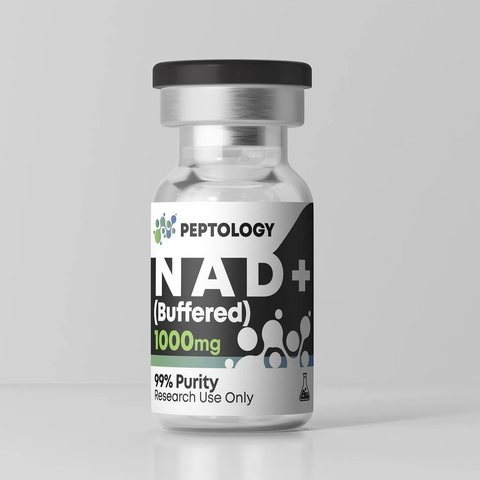
 NAD+ (Buffered) 1000 mg – Coenzyme for mitochondrial research — 89,00 €
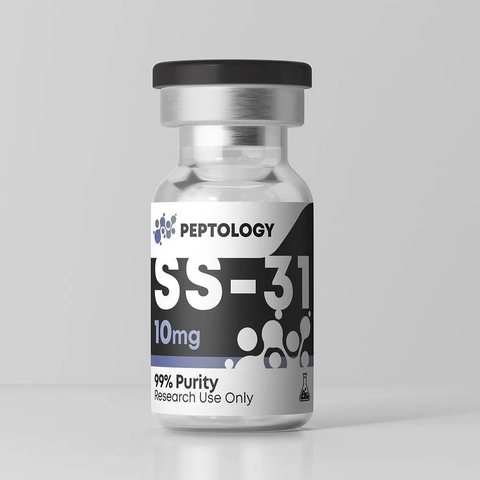
 SS-31 10 mg / 50mg – Mitochondria-targeted antioxidant peptide — 69,00 €
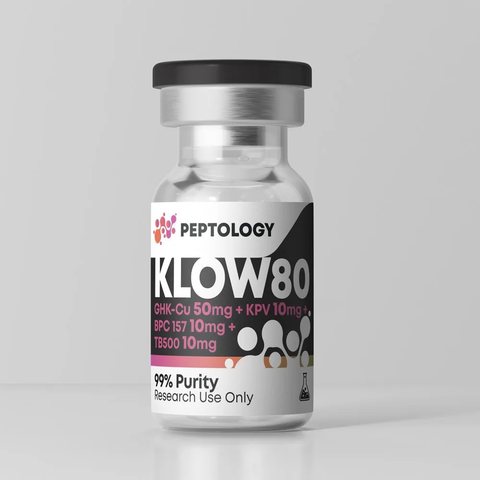
 KLOW80 – Blend: GHK-Cu 50 mg, TB-500, BPC-157 and KPV 10 mg each — 169,00 €
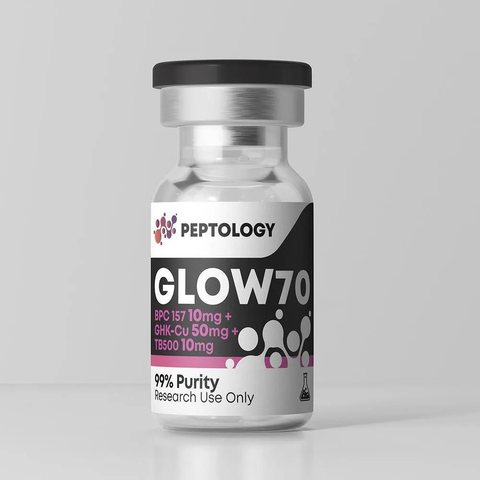
 GLOW70 – Blend of BPC-157 10 mg, GHK-Cu 50 mg and TB500 10 mg — 149,00 €
 BB10 – Research peptide blend (BPC-157 5 mg + TB-500 5 mg) — 80,00 €
 BB20 – Research peptide blend (BPC-157 10 mg + TB-500 10 mg) — 139,00 €
 FOXO4-DRI 10 mg – D-retro-inverso peptide (FOXO4–p53) for research — 129,00 €
 GLOW50 – Research peptide blend (BPC-157 + GHK-Cu + TB-500) — 119,00 €
 MOTS-c 10 mg / 50 mg – Mitochondria-derived peptide for research — 40,00 €
 5-Amino-1MQ 50 mg – NNMT inhibitor for metabolic and NAD⁺-targeted research — 45,00 €
 SLU-PP-332 5 mg – synthetic ERRα/β/γ agonist for metabolic research — 75,00 €
 AICAR 50 mg – AMPK activator for metabolic and mitochondrial research — 40,00 €
 AOD-9604 5 mg – HGH fragment (176-191) without IGF-1 activation — 40,00 €
 HGH Frag 5mg – Fragment 176-191 of growth hormone (C-terminal peptide) — 40,00 €
Peptides for energy and regeneration: mitochondrial function, regenerative complexes and senolytics
The Peptology category “Peptides for energy and regeneration” gathers the molecules that act at the cellular rather than the tissue level. They fall into four levels: mitochondrial (energy production and inner-membrane integrity), metabolic (AMPK and ERR signalling, NAD+ metabolism and lipolysis), regenerative (multi-component complexes combining tissue repair with the extracellular matrix) and senolytic (selective removal of senescent cells).
All products ship with GLS in 3–5 working days — lyophilised, with confirmed purity above 99% (HPLC/MS) and an independent laboratory certificate (CoA) for every batch. General overview: Peptides for energy and regeneration: mechanisms, benefits, risks.
Best-selling products in the category
Four products cover the most frequent scenarios in the category.
The central cofactor of cellular energetics. Nicotinamide adenine dinucleotide takes part in hundreds of redox reactions and is the substrate of the sirtuins and the PARP enzymes of DNA repair. Its levels decline with age — that is the basis of the research interest.
The most complete regenerative complex. Combines BPC-157, TB-500 and GHK-Cu with KPV — the only formula in the category with a dedicated anti-inflammatory component, at 80 mg total peptide content.
The peptide that binds cardiolipin. A tetrapeptide that accumulates selectively in the inner mitochondrial membrane and is studied for stabilising the respiratory chain and reducing electron leak.
The peptide of mitochondrial origin. A 16-amino-acid peptide encoded in mitochondrial DNA (12S rRNA region). It is studied for signalling through AMPK and the regulation of glucose metabolism in cell and animal models — the starting point of the metabolic level.
Comparison: the three regenerative complexes
BB20, GLOW70 and KLOW80 are often confused. The difference between them is not “strength” but how many mechanisms the composition covers — the number in the name gives the total peptide content in milligrams.
| Feature | KLOW80 | GLOW70 | BB20 |
|---|---|---|---|
| Composition | The same three components as GLOW70, plus KPV | BPC-157 10 mg + GHK-Cu 50 mg + TB-500 10 mg | BPC-157 10 mg + TB-500 10 mg |
| Copper tripeptide | Yes (GHK-Cu) | Yes (GHK-Cu) | No |
| Anti-inflammatory component | Yes (KPV) | No | No |
| Focus of the formula | Tissue + matrix + inflammation | Tissue + collagen matrix | Pure tissue repair |
| Typical choice for | The broadest regenerative model | Skin and matrix models | Tendon and ligament models |
Which peptide for which research model?
- Energy metabolism and DNA repair: NAD+ is the cofactor itself — substrate of the sirtuins and PARP. Details in NAD+: cellular energy and mitochondrial support.
- Mitochondrial membrane integrity: SS-31 approaches the same organelle from a completely different angle — not through cofactors but by binding cardiolipin. More in SS-31 (elamipretide).
- Mitochondrial signalling and AMPK: MOTS-c is a peptide of mitochondrial origin, AICAR the classic AMPK activator (converted inside the cell to the AMP analogue ZMP), while SLU-PP-332 acts as an agonist of the ERRα/β/γ receptors — the so-called exercise mimetic in models of muscle metabolism.
- NAD+ metabolism: 5-Amino-1MQ inhibits nicotinamide N-methyltransferase (NNMT), an enzyme that consumes nicotinamide. That is why it is studied together with NAD+ in models of adipose tissue and energy metabolism.
- Lipolysis and body composition: AOD-9604 and HGH Frag 176-191 are fragments of the C-terminal end of growth hormone that keep the lipolytic arm of its action, without any effect on IGF-1.
- Senescent cells: FOXO4-DRI disrupts the FOXO4–p53 interaction and is the only senolytic molecule in the catalogue — for models of cellular ageing, not of energetics.
- Pure tissue repair: BB10 and BB20 contain only BPC-157 and TB-500 — 5 + 5 mg and 10 + 10 mg respectively, with no matrix component. Their synergy is explained in BB10 and BB20.
- Tissue plus collagen matrix: GLOW50 and GLOW70 add GHK-Cu to the same base — GLOW70 contains BPC-157 10 mg + GHK-Cu 50 mg + TB-500 10 mg, GLOW50 the same three components at a lower total concentration. Comparison in GLOW50 and GLOW70.
- And the anti-inflammatory component: KLOW80 is the only complex that adds KPV — the C-terminal tripeptide of α-MSH, studied through the NF-κB pathway.
- Redox protection: glutathione is the principal intracellular antioxidant and a logical companion to mitochondrial models — in detail in Glutathione: the master antioxidant.
Combinations of products from the category
Here the rule has its own wording: the complexes already contain several molecules, so combining makes sense only when it adds a mechanism that is not already in the vial.
TWO MITOCHONDRIAL APPROACHES
NAD+ + SS-31 — one supplies the cofactor, the other protects the membrane structure in which that cofactor works.
REGENERATION + REDOX
GLOW70 + glutathione — the complex covers repair and matrix, glutathione adds the redox side, absent from every regenerative formula.
CELLULAR + SENOLYTIC
NAD+ + FOXO4-DRI — one improves the function of existing cells, the other targets those that no longer divide. Mechanisms with no overlap at all.
MITOCHONDRIAL SIGNAL + COENZYME
MOTS-c + NAD+ — the peptide signals through AMPK, the coenzyme feeds the redox reactions: two different levels of the same mitochondrial metabolism.
+ SOLVENT
Every peptide needs a suitable reconstitution medium. See the Solutions for peptides category.
Conversely, GLOW70 together with separate GHK-Cu, or BB20 with separate BPC-157, simply doubles a component that is already present. The same goes for two complexes together: GLOW50 with KLOW80 means, in practice, the same three molecules twice. The same applies to AOD-9604 with HGH Frag 176-191 — both fragments come from the same region of growth hormone — and to AICAR with MOTS-c when only AMPK activation is measured: MOTS-c itself raises intracellular levels of the intermediate AICAR.
Storage and safety rules
In lyophilised form the products are stored at 2–8 °C, protected from direct light and moisture. NAD+ is markedly hygroscopic — open the vial only immediately before reconstitution. Complexes containing GHK-Cu (GLOW, KLOW) are light-sensitive because of the copper tripeptide and are kept in the original packaging.
- After reconstitution with Peptide Matrix Water™ — stable for up to 60 days at +2 °C to +8 °C.
- After reconstitution with bacteriostatic water — up to 28 days under the same conditions. Do not refreeze a solution that has already been reconstituted. The differences between the solvents are explained in this article.
- Direct the solvent slowly down the inner wall of the vial. Swirl gently, never shake — in multi-component formulas mechanical stress hits the most fragile component first.
- For an exact calculation of volume and concentration use the peptide calculator.
- Disinfect the rubber stopper with an alcohol swab before every withdrawal and note the date of first puncture on the label.
Important notice: The products in this category are intended exclusively for laboratory research and scientific in-vitro analysis. They are not medicines, not approved preparations and not suitable for use in humans or animals. The mechanisms described come from the published scientific literature and constitute neither a promise of effect, nor a recommendation for use, nor a claim about the action of the research-grade products offered.