🇪🇺 Fast delivery (3–5 working days) with GLS ✅ Card or bank transfer 📦 Free shipping from €50

Peptides for skin, sleep and libido
Peptides for skin, sleep and libido
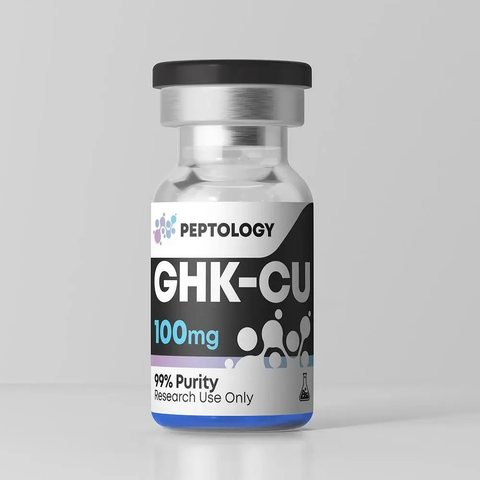
 GHK-Cu 100 mg – Copper tripeptide (Gly-His-Lys) for research — 40,00 €
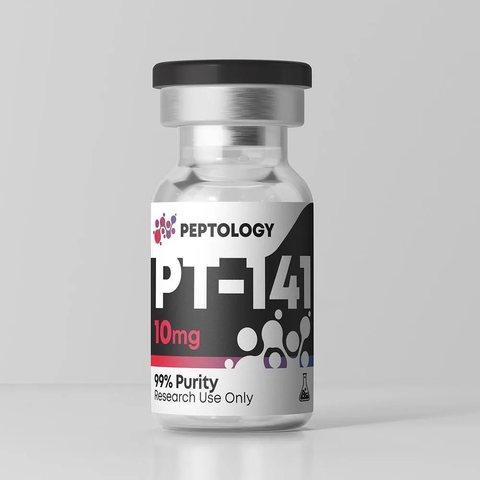
 PT-141 (Bremelanotide) 10 mg – Melanocortin receptor agonist — 39,00 €
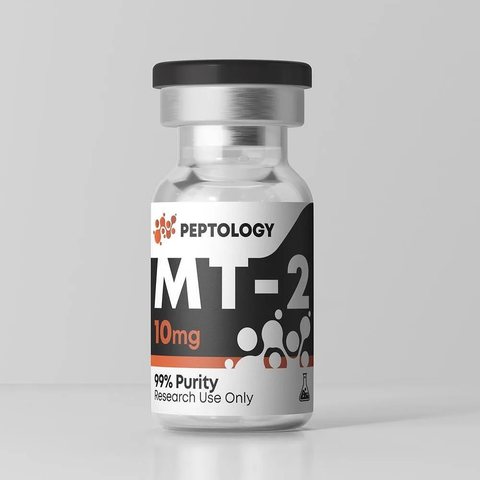
 MT-2 (Melanotan 2 Acetate) 10 mg – Melanocortin receptor agonist — 35,00 €
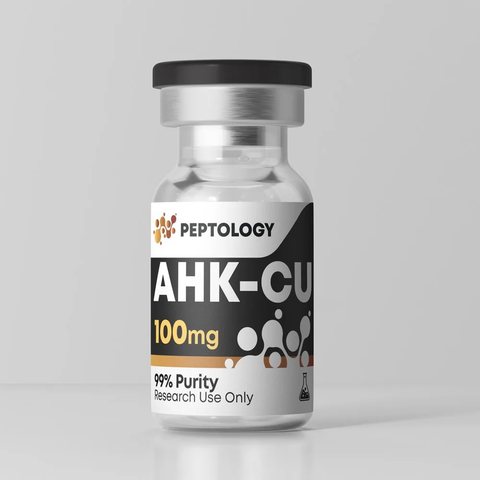
 AHK-Cu 100 mg – Copper tripeptide (Ala-His-Lys) for research — 50,00 €
 MT-1 (Melanotan I) 10 mg – Afamelanotide analogue — 45,00 €
 Epithalon 50 mg – Synthetic tetrapeptide (AEDG) for research — 89,00 €
 DSIP 5 mg – Delta sleep-inducing peptide (neuropeptide) for research — 29,00 €
Peptides for skin, sleep and libido: the melanocortin system, circadian rhythms and skin regeneration
The Peptology category “Peptides for skin, sleep and libido” gathers molecules acting on three different regulatory systems: the melanocortin system (pigmentation and libido), the circadian system (sleep and pineal regulation) and the skin-regenerative one (collagen, extracellular matrix, innate immunity).
All products ship with GLS in 3–5 working days — lyophilised, with confirmed purity above 99% (HPLC/MS) and an independent laboratory certificate (CoA) for every batch. General overview in the complete guide to the category.
Best-selling products in the category
Three molecules cover the most frequently studied scenarios — one per axis.
The most studied skin peptide. The copper tripeptide Gly-His-Lys, with extensive literature on collagen synthesis, remodelling of the extracellular matrix and wound healing. It is also an ingredient in the GLOW and KLOW regenerative complexes.
A centrally acting melanocortin agonist. A metabolite of Melanotan II with selectivity for MC3R and MC4R. It is studied for its influence on sexual behaviour through a central rather than vascular mechanism — without the marked pigmenting effect of its precursor.
The pineal tetrapeptide. Ala-Glu-Asp-Gly — a synthetic analogue of epithalamin. Studied for normalising melatonin rhythmicity and in models of cellular ageing, including in relation to telomerase activity.
Comparison: the three melanocortin molecules
MT-1, MT-2 and PT-141 are structurally close and often confused, yet they give different results. The difference lies entirely in which receptor subtypes they activate.
| Feature | MT-1 | MT-2 | PT-141 |
|---|---|---|---|
| Receptor selectivity | Predominantly MC1R | Non-selective (MC1R, MC3R, MC4R) | Predominantly MC3R and MC4R |
| Pigmenting effect | Marked | Marked | Weak |
| Influence on libido | Minimal | Yes (a side effect) | The main studied effect |
| Accompanying effects in models | Few | Appetite suppression, nausea | Nausea, transient blood-pressure changes |
| Typical choice for | Pure melanogenesis models | A broad melanocortin profile | Central models of sexual behaviour |
Which peptide for which research model?
- Collagen and skin matrix: GHK-Cu is the standard in matrix-remodelling models, while AHK-Cu is studied rather in relation to the dermal papilla, the hair follicle and angiogenesis. Full comparison: GHK-Cu vs. AHK-Cu.
- Copper and antioxidant defence: GHK-Cu carries copper ions (Cu²⁺) into cell systems and in the literature is linked with the activity of antioxidant enzymes such as superoxide dismutase, as well as with broad changes in fibroblast gene expression. That is why it is also used in models of oxidative stress in the skin, not only in collagen models.
- Sleep architecture: DSIP is studied for its influence on the delta-wave phase, while melatonin is the signal for the onset of the biological night itself.
- Long-term circadian regulation: epithalon acts at the level of the pineal gland itself and is studied over a longer horizon, not for a pointwise effect on sleep. Details in Epithalon: telomerase and cellular renewal.
- Pigmentation versus libido: MT-1 for pure melanogenesis models, MT-2 for a broad melanocortin profile, PT-141 for central mechanisms of sexual behaviour. Comparison in MT-1 vs. MT-2.
- Melanogenesis and photobiology: MT-1 is a synthetic α-MSH analogue ([Nle⁴, D-Phe⁷]-α-MSH) with greater stability against peptidases. It activates the MC1R receptor of melanocytes and is studied for eumelanin synthesis and the response of the epidermis in UV-exposure models.
- Central melanocortin pathways: MT-2 (a cyclic α-MSH analogue) and its metabolite PT-141 are used in hypothalamic models, where the MC3R and MC4R receptors of the paraventricular nucleus take part in regulating sexual behaviour and energy balance. PT-141 is chosen when the central action is needed without the strong pigmenting effect.
- Sleep and the stress response: beyond delta waves, DSIP is studied in stress models, where changes in sleep are examined together with the daily variation of hormones of the hypothalamic–pituitary–adrenal axis. It links the circadian axis of the category with stress regulation.
- Cellular ageing of the skin: in fibroblast cultures epithalon has been studied in relation to telomerase expression and the limit of cell divisions. It is the point of contact between the pineal sleep axis and the biology of skin ageing.
- Where to find the other molecules: the metabolic peptides MOTS-c, AICAR, SLU-PP-332, 5-Amino-1MQ, AOD-9604 and HGH Frag 176-191 are in the Peptides for energy and regeneration category, GHRP-2, GHRP-6, PEG-MGF and ACE-031 in Recovery and anabolic peptides, while LL-37 is in Peptides for immunity and hormonal balance.
Combinations of products from the category
The logic is the same everywhere: you combine molecules that act on different receptors or different levels of the same process. Molecules of the same receptor class merely compete with one another.
THE TWO COPPER TRIPEPTIDES
GHK-Cu + AHK-Cu — similar structure but a different tissue focus: matrix and collagen versus dermal papilla and vascular network.
THE CIRCADIAN PAIR
Epithalon + melatonin — one acts at the level of the pineal gland itself, the other is the final signal. Different points on the same axis.
DERMIS + EPIDERMIS
GHK-Cu + MT-1 — matrix remodelling in the dermis and melanogenesis in the epidermis: two layers of the skin with entirely different mechanisms.
+ SOLVENT
Every peptide needs a suitable reconstitution medium. See the Solutions for peptides category.
Conversely, MT-2 together with PT-141 adds no information: PT-141 is a metabolite of MT-2 and the two compete for the same receptors. The same applies to MT-1 with MT-2 in models of pure melanogenesis: both activate MC1R, so the effect of one masks the effect of the other. There MT-1 alone is enough, without the broad central action of MT-2.
Storage and safety rules
In lyophilised form the products are stored at 2–8 °C, protected from direct light and moisture. The copper tripeptides (GHK-Cu, AHK-Cu), the melanotans (MT-1, MT-2) and melatonin are markedly light-sensitive — keep them in the original packaging and limit light exposure while handling.
- After reconstitution with Peptide Matrix Water™ — stable for up to 60 days at +2 °C to +8 °C.
- After reconstitution with bacteriostatic water — up to 28 days under the same conditions. Do not refreeze a solution that has already been reconstituted. The differences between the solvents are explained in this article.
- Direct the solvent slowly down the inner wall of the vial. Swirl gently, never shake — mechanical stress destroys peptide structure.
- For an exact calculation of volume and concentration use the peptide calculator.
- Disinfect the rubber stopper with an alcohol swab before every withdrawal and note the date of first puncture on the label.
Important notice: The products in this category are intended exclusively for laboratory research and scientific in-vitro analysis. They are not medicines, not approved preparations and not suitable for use in humans or animals. The mechanisms described come from the published scientific literature and constitute neither a promise of effect, nor a recommendation for use, nor a claim about the action of the research-grade products offered.