🇪🇺 Fast delivery (3–5 working days) with GLS ✅ Card or bank transfer 📦 Free shipping from €50

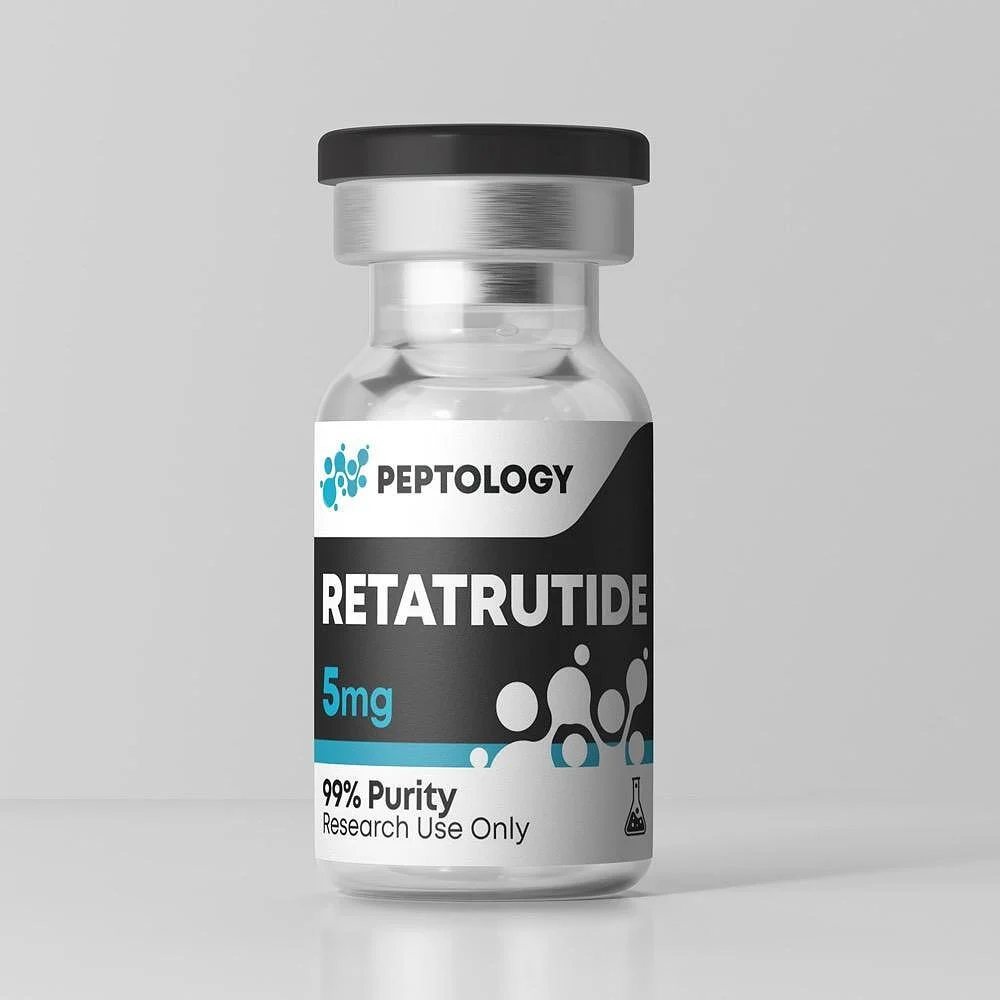
Retatrutide
Retatrutide 5mg/10mg/15mg/30mg - Triple agonist (GLP-1/GIP/GCGR)
Peptology Ltd. · Peptides for weight loss
Retatrutide – a triple GLP-1/GIP/glucagon (GCGR) receptor agonist, supplied as a research peptide. Purity 99%+, with an HPLC/MS report for every batch.
📦 The product is in our EU warehouse – delivery within 3–5 working days.
59,00 € · In stock
- 5mg — 59,00 €
- 10mg — 99,00 €
- 15mg — 125,00 €
- 30mg — 159,00 €
For research use only / Not a medicine
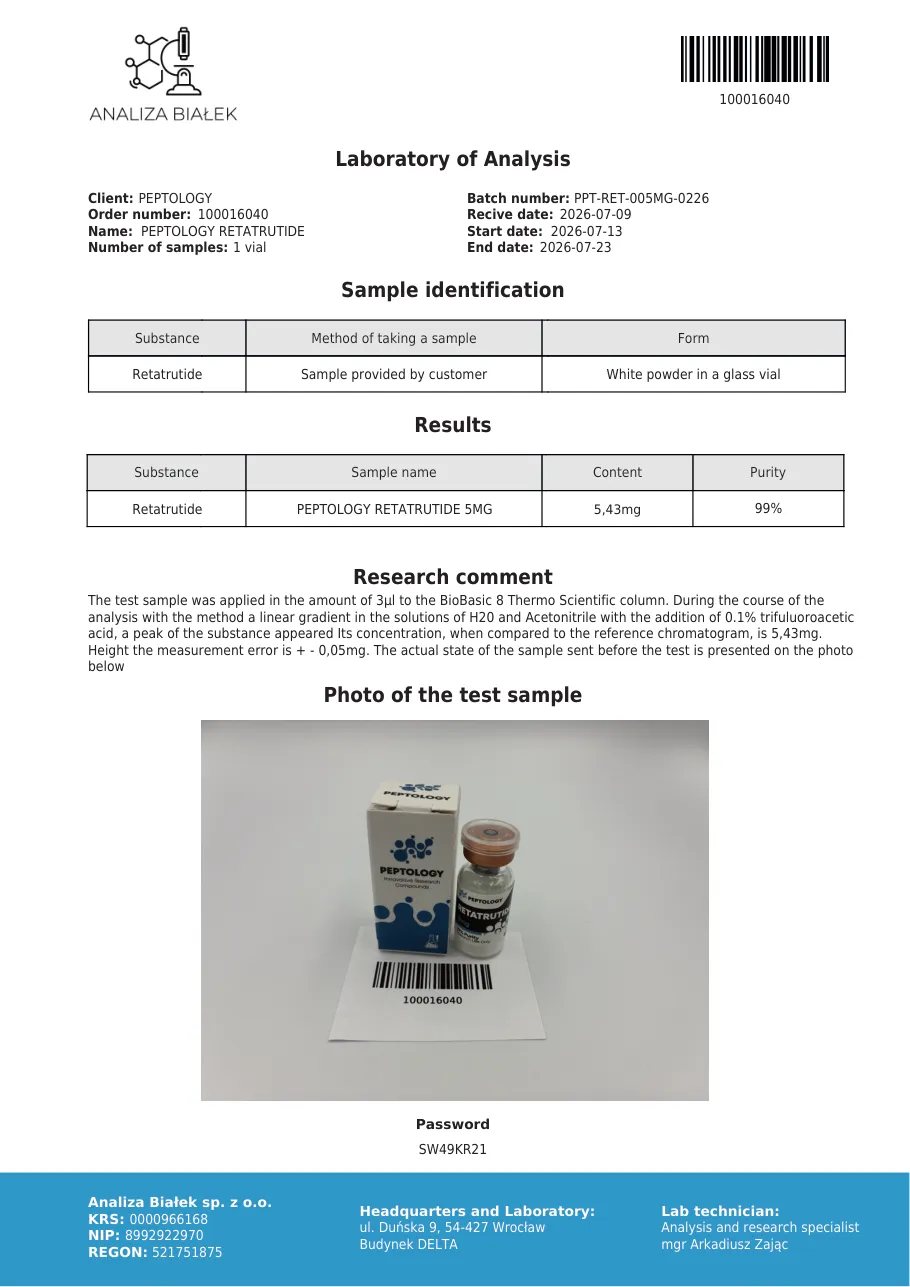
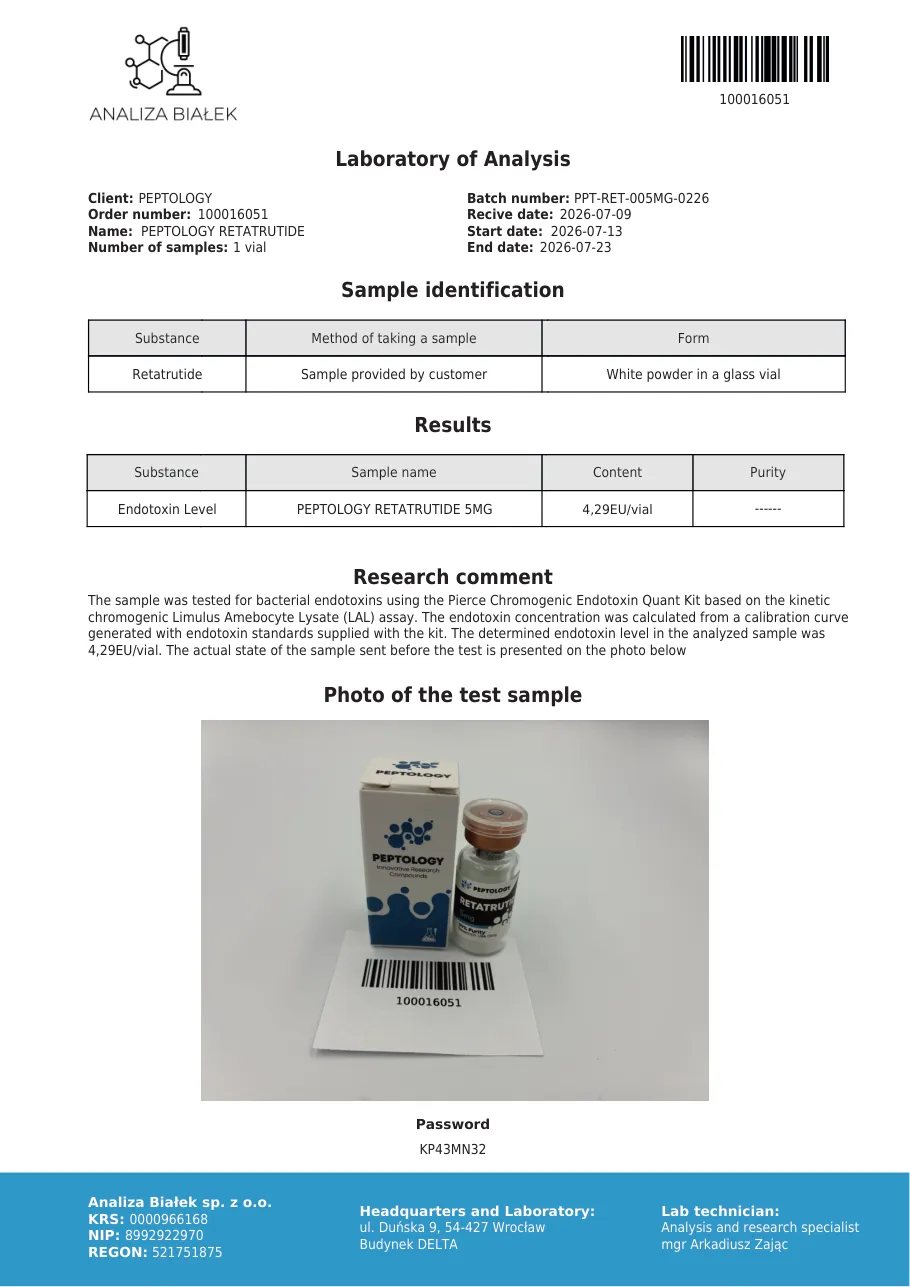
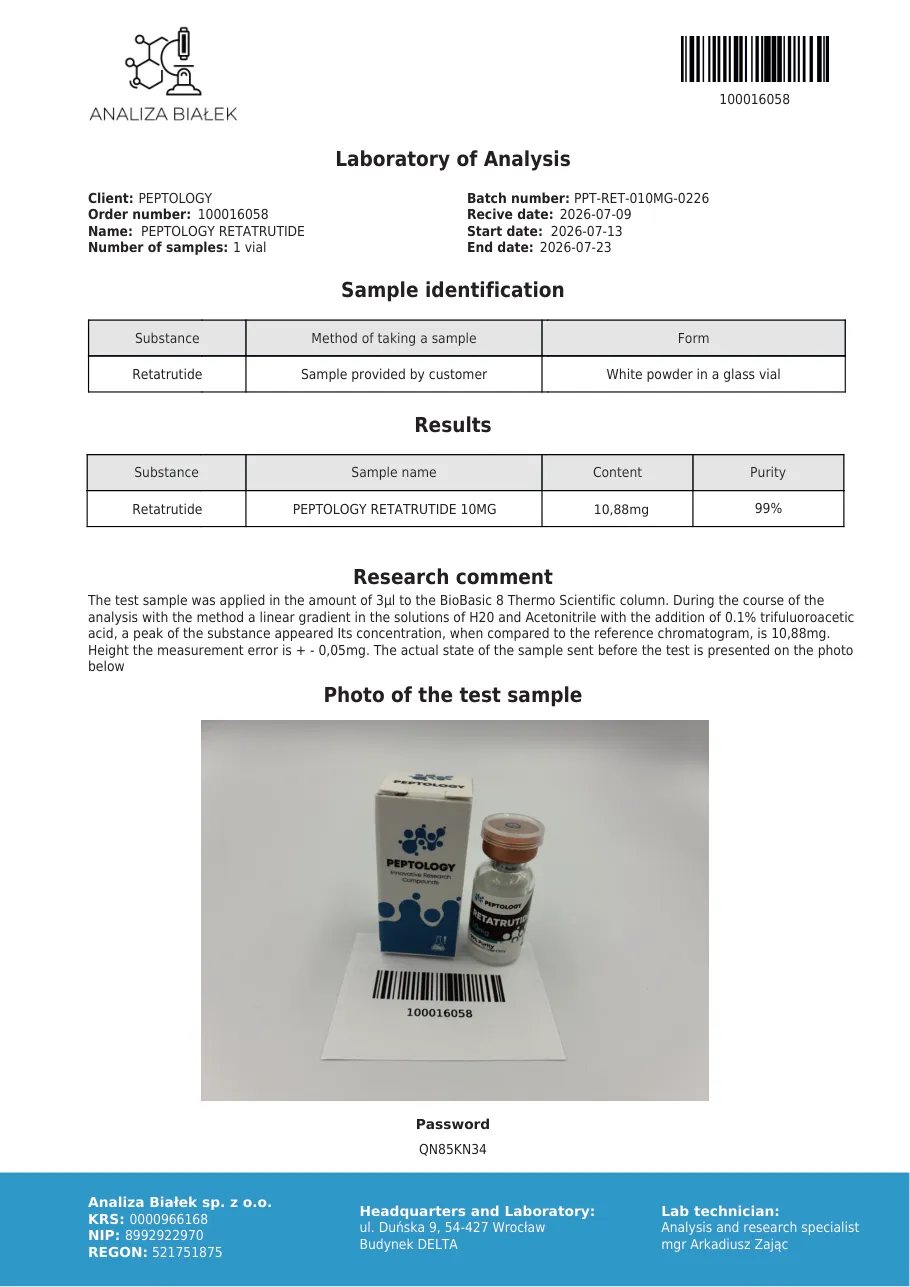
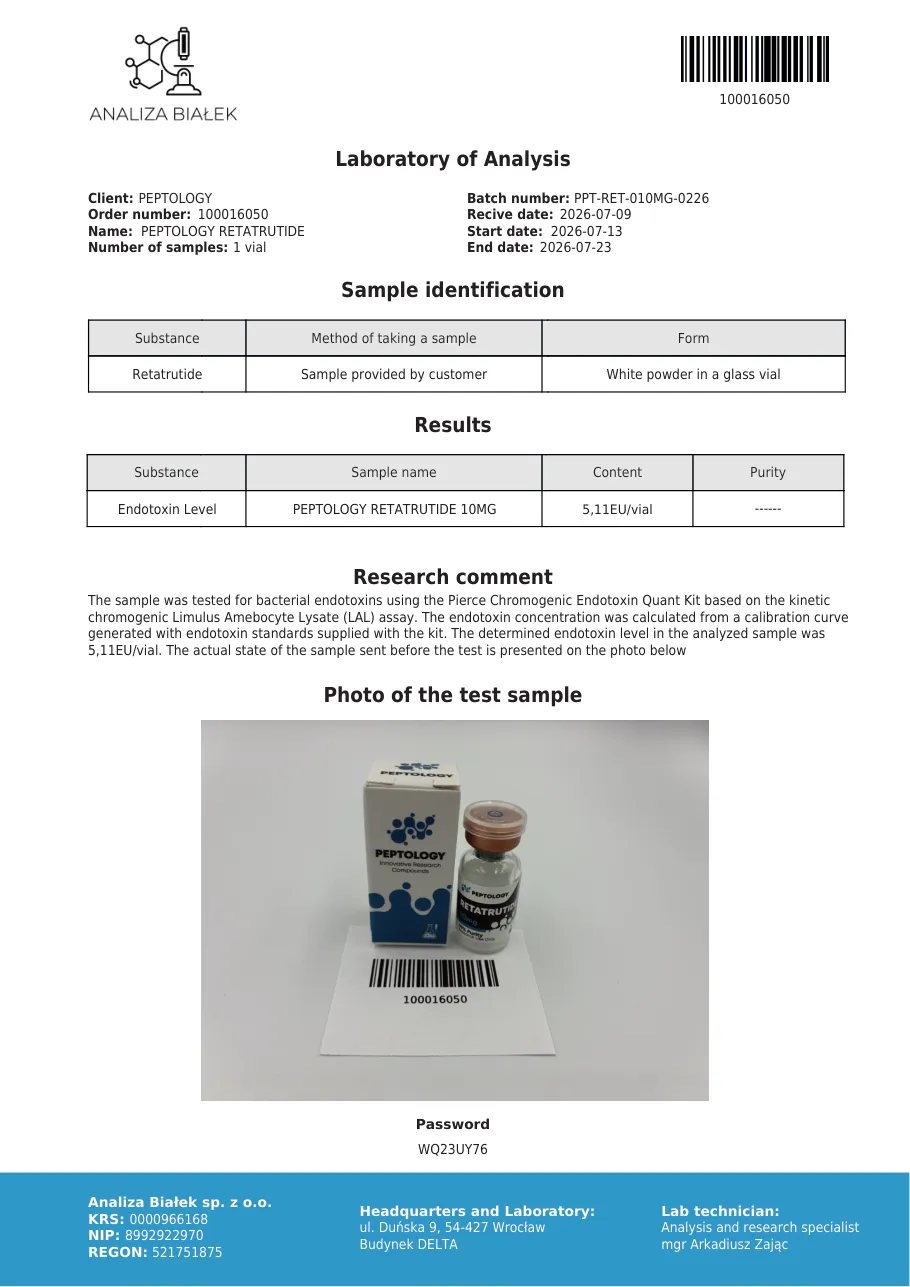
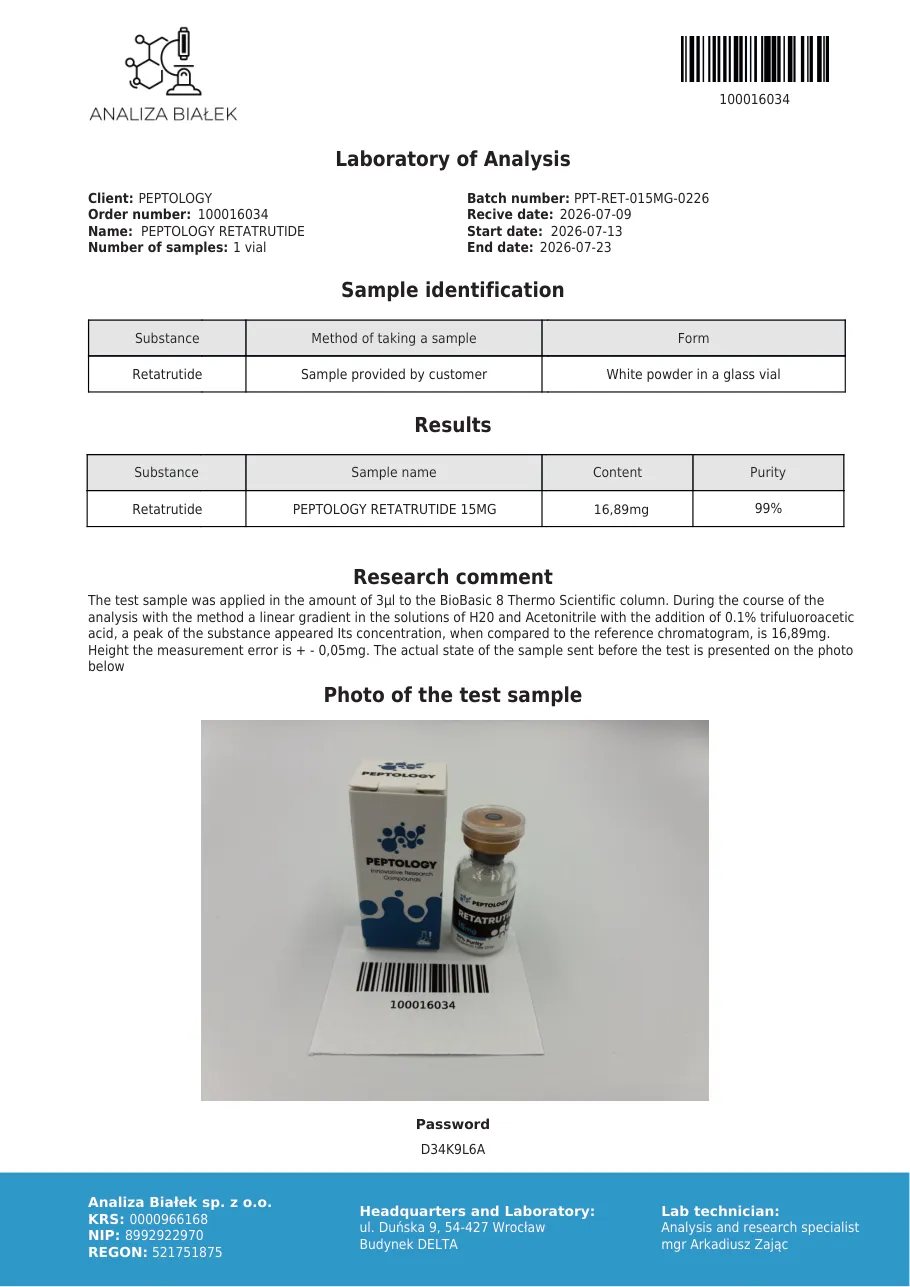
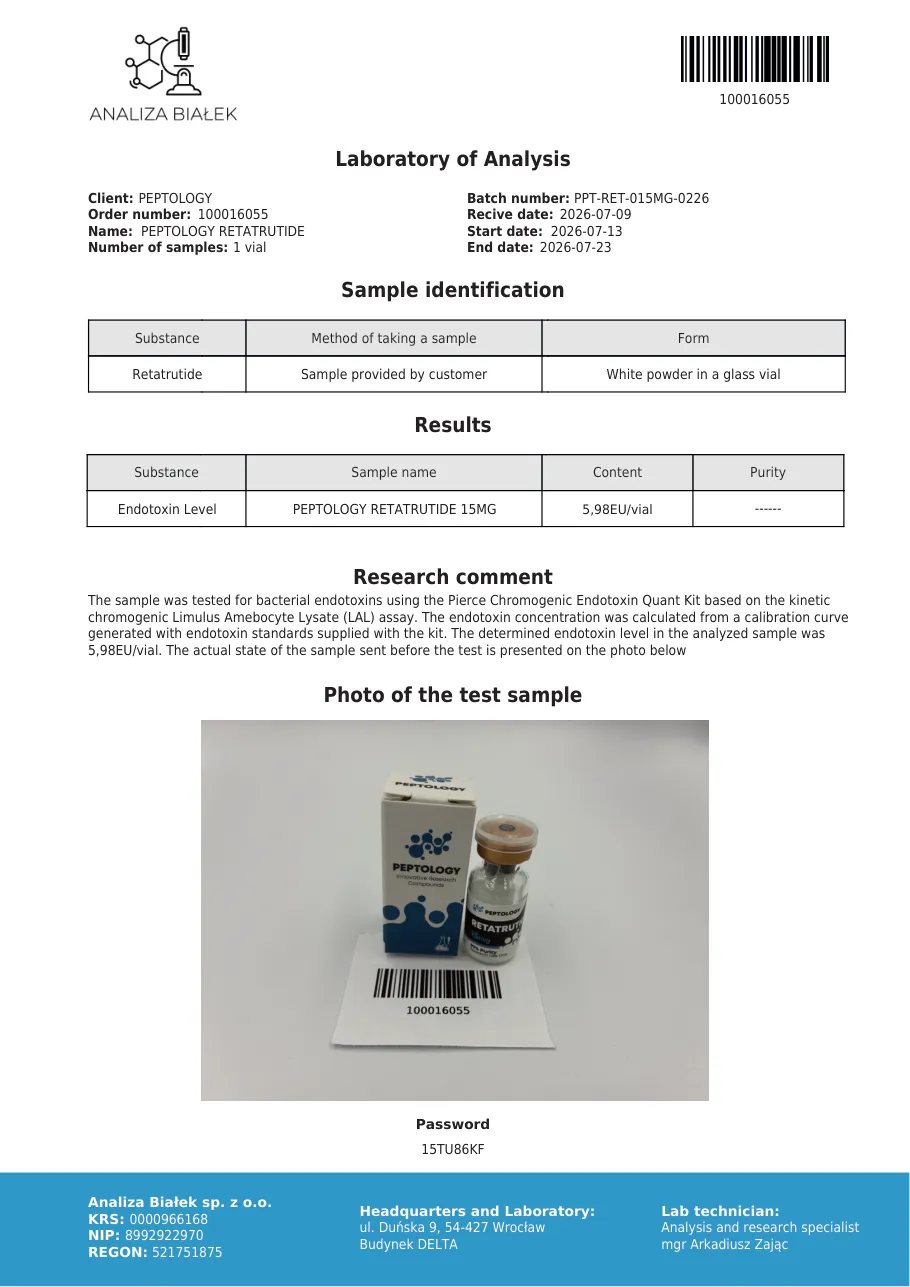
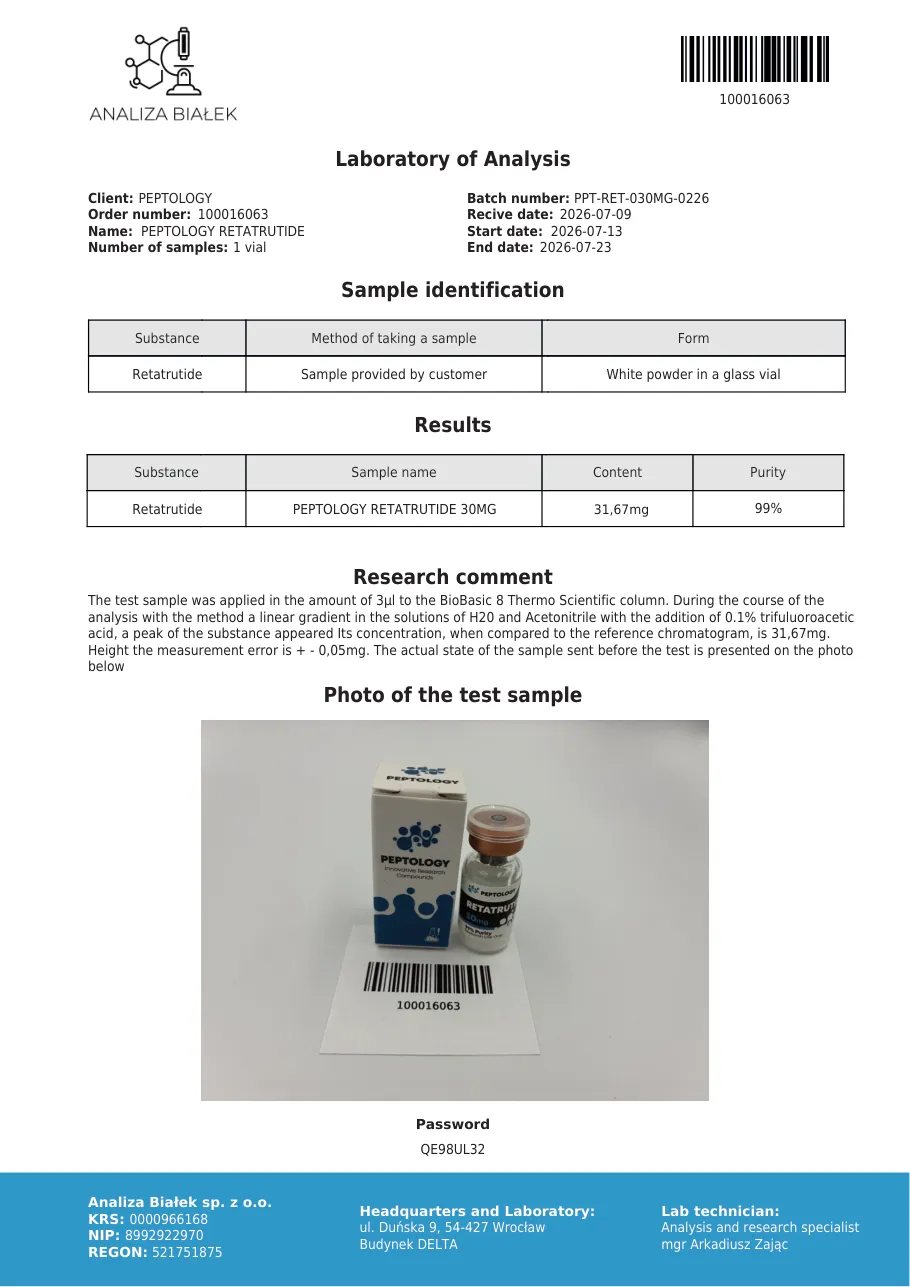
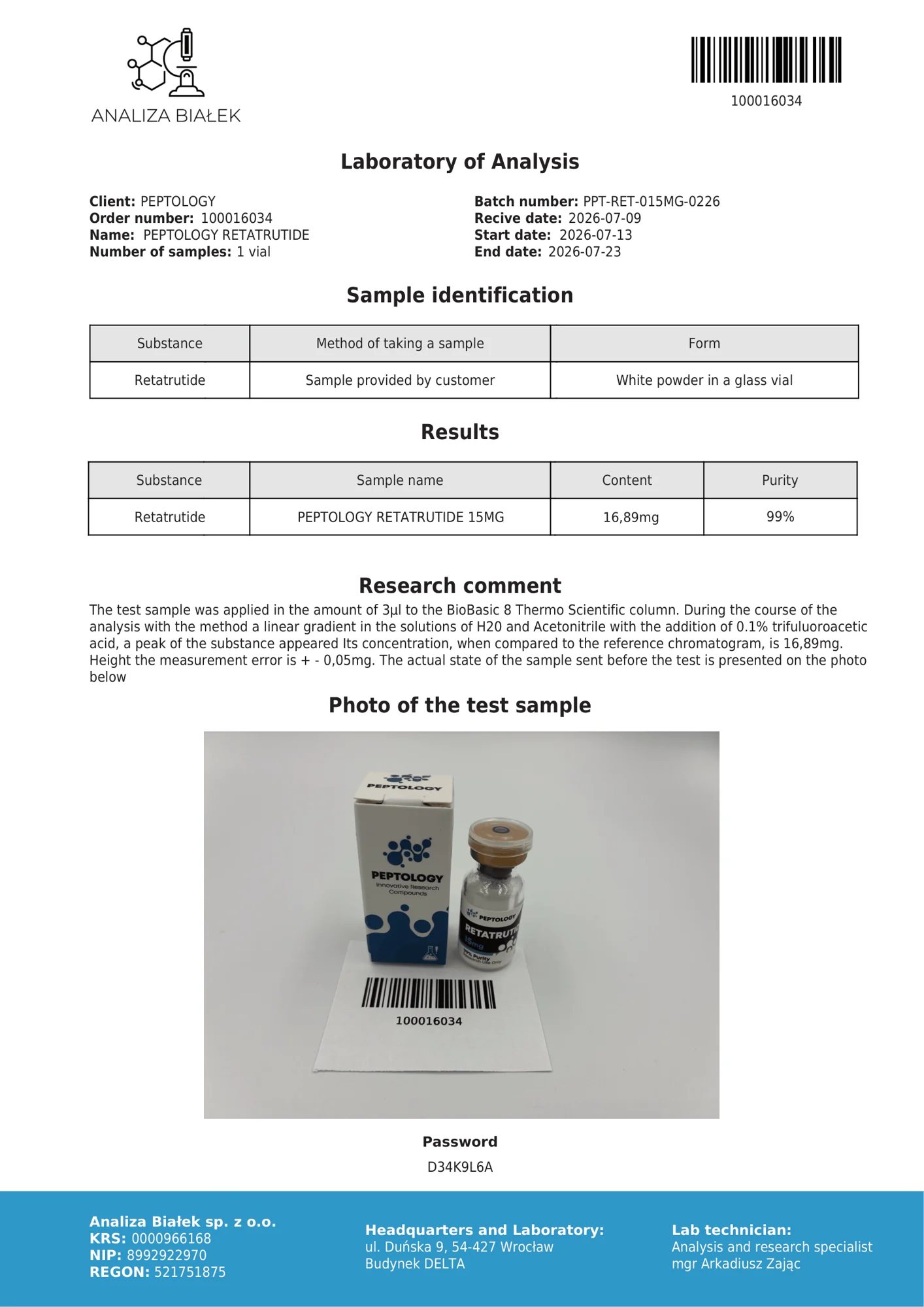
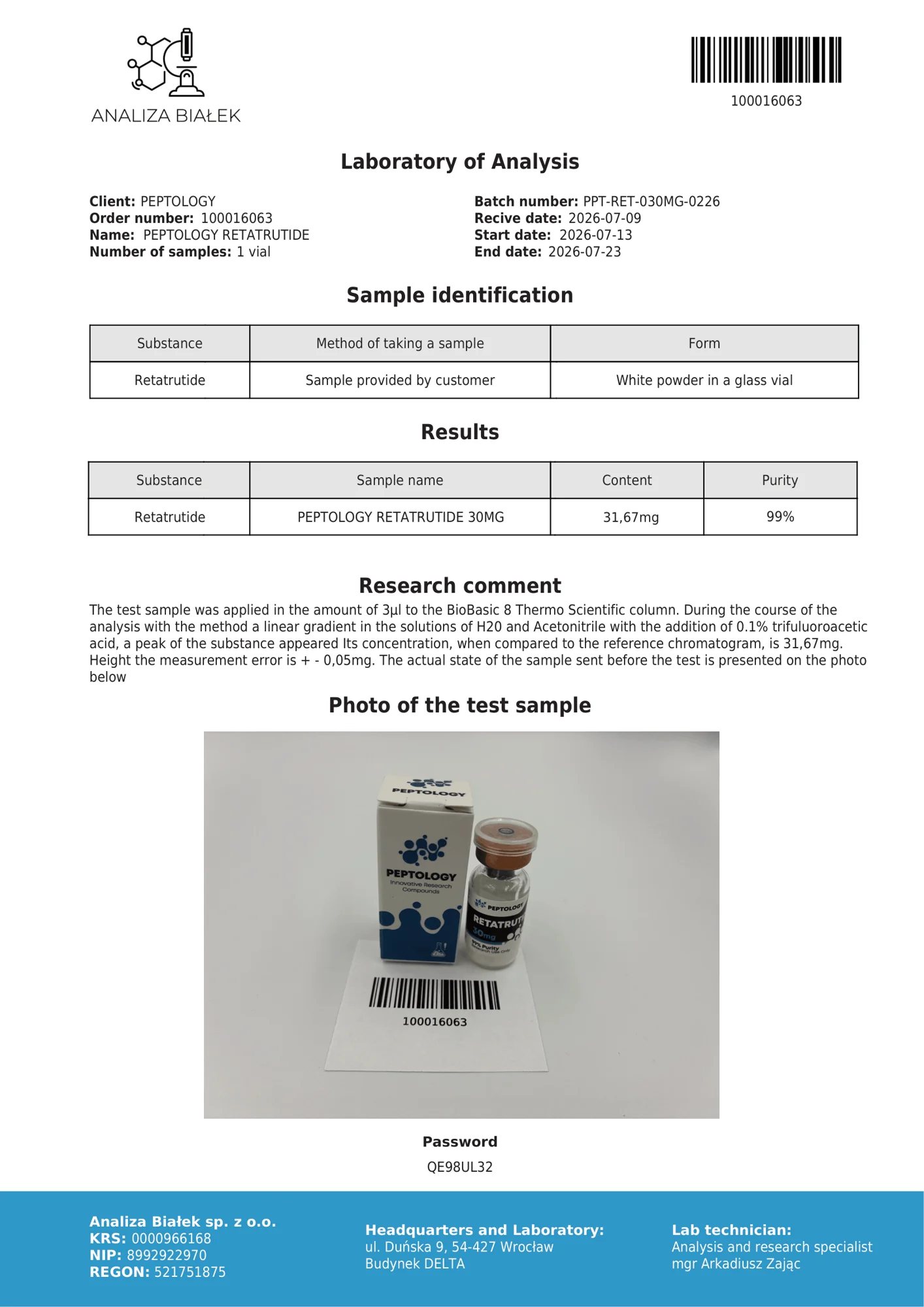
| Purity | >99% |
|---|---|
| Method | HPLC + LC/MS |
| Laboratory | Analiza Białek |
| Batch | 0226 |
Last updated: 18/10/2026
Retatrutide (CAS 2381089-83-2) — research peptide
Retatrutide (CAS 2381089-83-2) is a synthetic peptide conjugated to a fatty-acid residue, described as the first triple GLP-1 / GIP / glucagon receptor agonist. In the Peptology range, Retatrutide is available as a lyophilized research peptide with purity above 99% and a certificate (CoA) for every batch. It is precisely the third axis — the glucagon receptor — that distinguishes Retatrutide from the other molecules in this class.
Unlike the dual agonist Tirzepatide (GLP-1/GIP) or the mono-agonist Semaglutide (GLP-1), Retatrutide adds glucagon-receptor activation, which published studies describe at the level of the receptor (GCGR) and intracellular signaling (cAMP). In the literature, this combination of three mechanisms is described as the basis of a stronger metabolic effect than a single or dual agonist.
Retatrutide is being studied across several areas: obesity and overweight (TRIUMPH program), type 2 diabetes (TRANSCEND), metabolic dysfunction-associated steatotic liver disease (MASLD/NAFLD) and metabolic syndrome. According to publicly available data, the molecule remains an experimental candidate in Phase 3 clinical trials and holds no marketing authorization in any jurisdiction — it is not approved for clinical use. See also the other peptides for weight loss (GLP-1) in our category.
Retatrutide is available in four vial sizes — 5 mg, 10 mg, 15 mg and 30 mg — depending on the scale of the research protocol. The product is intended exclusively for scientific research and in vitro use, and is not a medicinal product.
Retatrutide price — vial sizes 5 mg / 10 mg / 15 mg / 30 mg
The price of Retatrutide depends on the chosen vial size, not on the concentration of active substance — all four formats have identical purity > 99% and the same batch laboratory certificate. You can find the current Retatrutide price and the availability of individual sizes in the purchase panel above. Below we describe which research scale each vial size suits.
RETATRUTIDE 5 MG
Standard vial size
For validation experiments, single in vitro series and short-term laboratory protocols.
RETATRUTIDE 10 MG
Enlarged vial size
For repeated research series and cellular models with moderate peptide consumption.
RETATRUTIDE 15 MG
Extended vial size
For longer protocols and series requiring a larger amount of research material.
RETATRUTIDE 30 MG
Maximum vial size
For extensive, multi-week protocols and models with the highest peptide consumption.
Tip: when comparing the price of Retatrutide, it is worth calculating the cost per 1 mg of peptide — larger vial sizes (15 mg, 30 mg) usually lower the unit cost for extensive protocols.
How Retatrutide works — triple GLP-1 / GIP / glucagon agonism
In clinical and preclinical publications, Retatrutide is described as a molecule that simultaneously stimulates three receptors regulating energy and glucose metabolism. These mechanisms act synergistically and are described in the literature as simultaneous signaling at the GLP-1, GIP and glucagon receptors — studied particularly in the context of obesity, insulin resistance and liver steatosis.
GLP-1
GLP-1 receptor activation is associated with signaling in central pathways, slowed gastric emptying and improved glucose-dependent insulin secretion.
GIP
GIP receptor stimulation is studied in connection with additional improvements in insulin sensitivity and lipid metabolism, complementing the GLP-1 axis.
GLUCAGON (GCGR)
The third axis — the glucagon receptor — is described in published data in terms of GCGR activation and intracellular cAMP signaling, which distinguishes Retatrutide from dual agonists.
Why Retatrutide's triple agonism matters
Mono-agonists (such as Semaglutide) act only on the GLP-1 axis, and dual agonists (such as Tirzepatide) combine GLP-1 and GIP. Retatrutide is the only one to add a third axis — glucagon — which is described at the level of the receptor (GCGR) and intracellular signaling (cAMP). In the literature, this mechanism is associated with stronger weight reduction and a marked effect on liver fat in Phase 2 studies.
Pharmacokinetics and pharmacodynamics of Retatrutide
Retatrutide is a peptide conjugated to a fatty-acid residue with a relatively long half-life; published pharmacokinetic studies describe it as a molecule with predictable, linear kinetics.
- Half-life (literature): about 6 days
- Structure: 39-amino-acid peptide with a fatty-acid chain that binds to albumin
- Molecular formula / molecular weight: C221H342N46O68 · ≈4731 g/mol
- CAS number: 2381089-83-2
- Kinetics: linear over the studied range
Retatrutide dosing — schedules from clinical trials
Important: The information below describes Retatrutide doses used in published clinical trials. It is provided for scientific and informational purposes; it does not constitute a recommendation for individual use, medical advice or administration instructions. Research-grade Retatrutide is not a registered medicinal product.
- Phase 1 (dose escalation): a range of SC doses within the research protocol, titrated from a low dose
- Phase 2 (obesity): 1, 4, 8 and 12 mg SC once weekly as studied doses, with titration over time
- Phase 3 (TRANSCEND, type 2 diabetes): doses of 4, 9 and 12 mg SC weekly
- Phase 3 (TRIUMPH, obesity / CV): weekly SC doses per clinical protocol
Like Semaglutide and Tirzepatide, Retatrutide in studies requires slow titration to improve tolerance — starting from a lower dose and gradually increasing it to limit gastrointestinal effects.
Retatrutide vs Tirzepatide vs Semaglutide
The table below compares Retatrutide with the two most frequently studied molecules from the incretin family. All three are studied for body-weight control and glucose metabolism, but they act on a different number of receptor axes — Retatrutide on three (GLP-1/GIP/glucagon), Tirzepatide on two (GLP-1/GIP) and Semaglutide on one (GLP-1). The data are scientific and comparative in nature.
| Retatrutide | Tirzepatide | Semaglutide | |
|---|---|---|---|
| Mechanism | Triple GLP-1 / GIP / glucagon agonist | Dual GLP-1 / GIP agonist | GLP-1 mono-agonist |
| Receptor axes | 3 (with glucagon axis) | 2 | 1 |
| CAS number | 2381089-83-2 | 2023788-19-2 | 910463-68-2 |
| Half-life | ~6 days | ~5 days | ~7 days |
| In the Peptology catalog | Lyophilized powder · 5/10/15/30 mg · research use only | Lyophilized powder · 5/10/15/30 mg · research use only | Lyophilized powder · 5/10 mg · research use only |
| Body-weight reduction in studies | up to ~24% (48 wk, Phase 2) | up to ~22.5% | ~15–16% |
Sources: Jastreboff et al., "Triple–Hormone-Receptor Agonist Retatrutide for Obesity", New England Journal of Medicine (2023); randomized Phase 2a MASLD trial, Nature Medicine (2024); Phase 3 TRIUMPH/TRANSCEND program (2025–2026 announcements). The data come from different programs and do not constitute a direct head-to-head comparison.
Clinical trials of Retatrutide (Retatrutide, CAS 2381089-83-2)
The clinical program of Retatrutide is developing in parallel across several directions — obesity and overweight (TRIUMPH), type 2 diabetes (TRANSCEND), steatotic liver disease (MASLD) and cardiovascular risk. Phase 2 results were clearly positive, and the Phase 3 program is ongoing.
Phase 2 — obesity (NEJM, 2023)
Published in the New England Journal of Medicine (2023), the Phase 2 trial enrolled 338 adults with obesity or overweight, randomized to Retatrutide 1, 4, 8 or 12 mg SC weekly or placebo for 48 weeks. After 48 weeks, the mean change in body weight was −8.7% (1 mg), −17.1% (4 mg), −22.8% (8 mg) and −24.2% (12 mg) versus −2.1% in the placebo group. A ≥ 15% body-weight reduction was reached by 60% of participants in the 4 mg group, 75% in the 8 mg group and 83% in the 12 mg group. The results come from a controlled clinical trial.
Phase 2a — steatotic liver disease (MASLD, Nature Medicine 2024)
In a randomized Phase 2a trial in patients with metabolic dysfunction-associated steatotic liver disease, Retatrutide was associated with a significant reduction in liver fat content. The result is consistent with the role of the glucagon axis in liver-fat metabolism and remains the subject of further study.
TRANSCEND / TRIUMPH — type 2 diabetes and obesity (Phase 3)
In the Phase 3 trial concerning type 2 diabetes (TRANSCEND), HbA1c reductions of 1.7–2.0% and significant weight reduction (up to ~16.8% at 12 mg) were reported. The TRIUMPH program comprises further Phase 3 trials evaluating Retatrutide in obesity and cardiovascular disease. Some results are expected in 2026.
All results concern published clinical trials of Retatrutide and do not constitute a promise of effect or a claim about the effect of the research-grade product offered by Peptology.
Retatrutide — storage and reconstitution
Retatrutide is supplied as a lyophilized powder in a vial. In lyophilized form the peptide is stable at room temperature, protected from light and moisture — refrigeration before reconstitution is not mandatory. After reconstitution, stability depends on the solvent, with Peptide Matrix Water™ significantly extending the peptide's lifespan.
- Before reconstitution: room temperature, in the original packaging, protected from light and moisture.
- After reconstitution with Peptide Matrix Water™: stability in the refrigerator +2 °C to +8 °C for up to 60 days under appropriate laboratory conditions.
- After reconstitution with bacteriostatic or sterile water: stability in the refrigerator +2 °C to +8 °C for up to 28 days. Do not refreeze the reconstituted solution.
- Volume: max. 3 mL of solvent. For a precise calculation, use the peptide calculator.
- Homogenization: add the solvent slowly down the vial wall, without vigorous shaking. Swirl gently, do not shake.
Retatrutide — where to buy (research peptide)
You can buy Retatrutide for research use at Peptology — with fast shipping, discreet packaging and a certificate of purity (CoA) for every batch. We offer Retatrutide (Retatrutide, CAS 2381089-83-2) with confirmed purity above 99%, in four vial sizes: 5, 10, 15 and 30 mg.
Fast shipping
Fast delivery of Retatrutide — without long waiting for international parcels.
Certificate of purity > 99%
Independent laboratory analysis (CoA) included with every batch of Retatrutide.
Discreet packaging
Neutral packaging and secure shipping of the research peptide.
Retatrutide is intended exclusively for scientific research and in vitro purposes. It is not a medicine, is not approved for use in humans or animals, and is not available by prescription in a pharmacy.
Retatrutide — frequently asked questions
What is Retatrutide?
Retatrutide (Retatrutide, CAS 2381089-83-2) is a synthetic research peptide that is the first triple agonist of the GLP-1, GIP and glucagon receptors. In clinical trials it is evaluated for obesity, type 2 diabetes and steatotic liver disease.
How much does Retatrutide cost — what is the price?
The price of Retatrutide depends on the vial size (5, 10, 15 or 30 mg) — all have the same purity > 99% and a batch certificate. You can see the current Retatrutide price in the purchase panel at the top of the page. When comparing offers, it is worth calculating the cost per 1 mg of peptide.
Retatrutide — where to buy?
You can buy Retatrutide for research use at Peptology, with fast shipping and a CoA certificate. As a research peptide it is not available by prescription or in a pharmacy; it is offered exclusively for scientific and in vitro use.
How does Retatrutide differ from Tirzepatide and Semaglutide?
They differ in the number of activated receptor axes. Semaglutide acts only on the GLP-1 axis, Tirzepatide combines GLP-1 and GIP, and Retatrutide adds a third axis — glucagon — through additional activation of the glucagon receptor (GCGR).
Is Retatrutide approved (FDA) and available on the market?
No. Retatrutide remains an experimental molecule in Phase 3 trials (TRIUMPH, TRANSCEND) and holds no authorization in any jurisdiction. It is not approved for clinical use. Research-grade Retatrutide is intended exclusively for research purposes.
Which Retatrutide vial size to choose — 5, 10, 15 or 30 mg?
All four have identical purity > 99% and the same certificate. The choice depends on the protocol scale: 5 mg for single validation series, 10–15 mg for repeated models, and 30 mg for extensive, multi-week protocols with higher peptide consumption.
Related peptides in the Peptology catalog
Researchers working with Retatrutide often also consider other molecules from the GLP-1 / incretin agonist class and solvents for reconstitution. Each of the products below has a certificate of purity above 99%:
Tirzepatide
Dual GLP-1 / GIP agonist
Semaglutide
GLP-1 receptor mono-agonist
Cagrilintide
Long-acting amylin analog
Peptide Matrix Water™
Stabilizing solution for reconstitution
Bacteriostatic water
Standard solvent for peptides
See the full catalog: Peptides for weight loss (GLP-1) · Solutions for peptides · All peptides · Blog on peptide research
Research warning: Retatrutide (Retatrutide, CAS 2381089-83-2) is intended exclusively for scientific research and in vitro purposes. It is not a medicinal product, is not approved for use in humans or animals, and does not replace medical advice. All information about clinical trials is provided for scientific and informational purposes; it does not constitute a claim about the effect of the research-grade product offered by Peptology.
Molecule identity
| CAS number | 2381089-83-2 |
|---|---|
| Molecular weight | 4731.33 g/mol |
| Molecular formula | C221H342N46O68 |
| Class | Triple agonist of the GLP-1, GIP and glucagon receptors (GCGR) |
| Form | Lyophilised powder in a glass vial |
| Storage | Lyophilisate: 2–8 °C, dry and protected from light · after reconstitution: 2–8 °C |
References
- Jastreboff AM et al. Triple–Hormone-Receptor Agonist Retatrutide for Obesity — A Phase 2 Trial. N Engl J Med. 2023;389:514–526.
- Rosenstock J et al. Retatrutide, a GIP, GLP-1 and glucagon receptor agonist, for people with type 2 diabetes: a randomised, double-blind, placebo and active-controlled, parallel-group, phase 2 trial conducted in the USA. Lancet. 2023;402:529–544.
- Sanyal AJ et al. Triple hormone receptor agonist retatrutide for metabolic dysfunction-associated steatotic liver disease: a randomized phase 2a trial. Nat Med. 2024;30:2037–2048.
- Jastreboff AM et al. Tirzepatide Once Weekly for the Treatment of Obesity. N Engl J Med. 2022;387:205–216.
- Wilding JPH et al. Once-Weekly Semaglutide in Adults with Overweight or Obesity. N Engl J Med. 2021;384:989–1002.
Laboratory reconstitution
Laboratory protocol — reconstitution, research protocols, storage
Standardized protocol valid for all research peptides in the Peptology catalogue. To calculate the solution concentration (mg/mL) for each vial, use the peptide reconstitution calculator.
60-second protocol
1. SOLVENT
2. RECONSTITUTION
Add the solvent against the vial wall, do not shake, wait 10–15 minutes.
3. CALCULATION
Calculator → concentration mg/mL
4. STORAGE
+2 °C to +8 °C, up to 60 days with Peptide Matrix Water
Quick reference
| Parameter | Value |
|---|---|
| Form | Lyophilized powder |
| Solvent | Peptide Matrix Water |
| Volume for reconstitution | 1–3 mL — maximum 3 mL (capacity of a standard vial) |
| Storage before reconstitution | Room temperature, protected from direct light (refrigeration not required) |
| After reconstitution | Up to 60 days at +2 °C to +8 °C with Peptide Matrix Water |
What you need
Precision pipette
Calibrated, 100–1000 µL — for accurately measuring the volume of solvent added to the vial.
70% alcohol swabs
Two swabs — to disinfect the peptide vial and the solvent vial.
Stabilised solvent for lyophilized peptides. Why this one.
Five rules for reconstitution
| ✅ Correct | ❌ Incorrect |
|---|---|
| Disinfect the vial caps and the work surface with 70% alcohol; wear gloves | Working without disinfection |
| Add the solvent slowly against the vial wall | Direct jet onto the powder — foaming and denaturation |
| Gentle rolling between the palms | Shaking — foam that denatures peptides |
| 10–15 minutes wait at room temperature | Mechanical stirring or heating |
| Visual check: clear, particle-free | Working with cloudy or coloured solution |
Calculating concentration
⚠️ Maximum 3 mL solvent. The standard vial does not hold a larger volume — do not exceed when reconstituting.
- Concentration (mg/mL) = mg in the vial ÷ mL solvent
- Volume per sample (mL) = amount per sample (mg) ÷ concentration (mg/mL)
- 1 mg/mL = 1 µg/µL · 1 mL = 1000 µL
Reconstitution per vial — solvent: Peptide Matrix Water. Concentration after adding the solvent (1 mg/mL = 1 µg/µL):
| Vial | + 1 mL | + 2 mL | + 3 mL |
|---|---|---|---|
| 5 mg | 5 mg/mL | 2.5 mg/mL | 1.67 mg/mL |
| 10 mg | 10 mg/mL | 5 mg/mL | 3.33 mg/mL |
| 15 mg | 15 mg/mL | 7.5 mg/mL | 5 mg/mL |
| 30 mg | 30 mg/mL | 15 mg/mL | 10 mg/mL |
👉 For any vial and solvent volume — use the calculator. It calculates the concentration (mg/mL, µg/µL) and the volume per sample (mL, µL).
Storage
BEFORE RECONSTITUTION
Room temperature, protected from direct light, in original packaging. Refrigeration not required.
AFTER RECONSTITUTION
+2 °C to +8 °C, up to 60 days with Peptide Matrix Water. Discard any remainder after this period.
FREEZING
Not recommended. Freeze/thaw cycles degrade peptide structure.
Four mistakes to avoid
1. Shaking “to dissolve faster”
Foam = denaturation. Only gentle rolling between the palms.
2. Unsuitable solvent
For peptide stability use only a sterile, specially formulated solvent — recommended Peptide Matrix Water.
3. Ignoring slight cloudiness
Not fully clear = the sample does not meet criteria for use.
4. Removing from the refrigerator “for an hour–two”
Short periods out accumulate and compromise stability.
Research status: All products from Peptology are intended for laboratory and research use only. They are not medicinal products, are not approved for human or veterinary use and do not replace medical advice. The described protocol is standard laboratory practice for working with lyophilized peptides.
Shipping information
🚚 Shipping information
-
Products in our warehouse – orders placed by 15:00 on working days are dispatched the same day, later orders on the next working day.
-
Delivery with GLS to your address in 3–5 working days.
-
Shipping costs €5 and is free from €50.
Laboratory Analysis
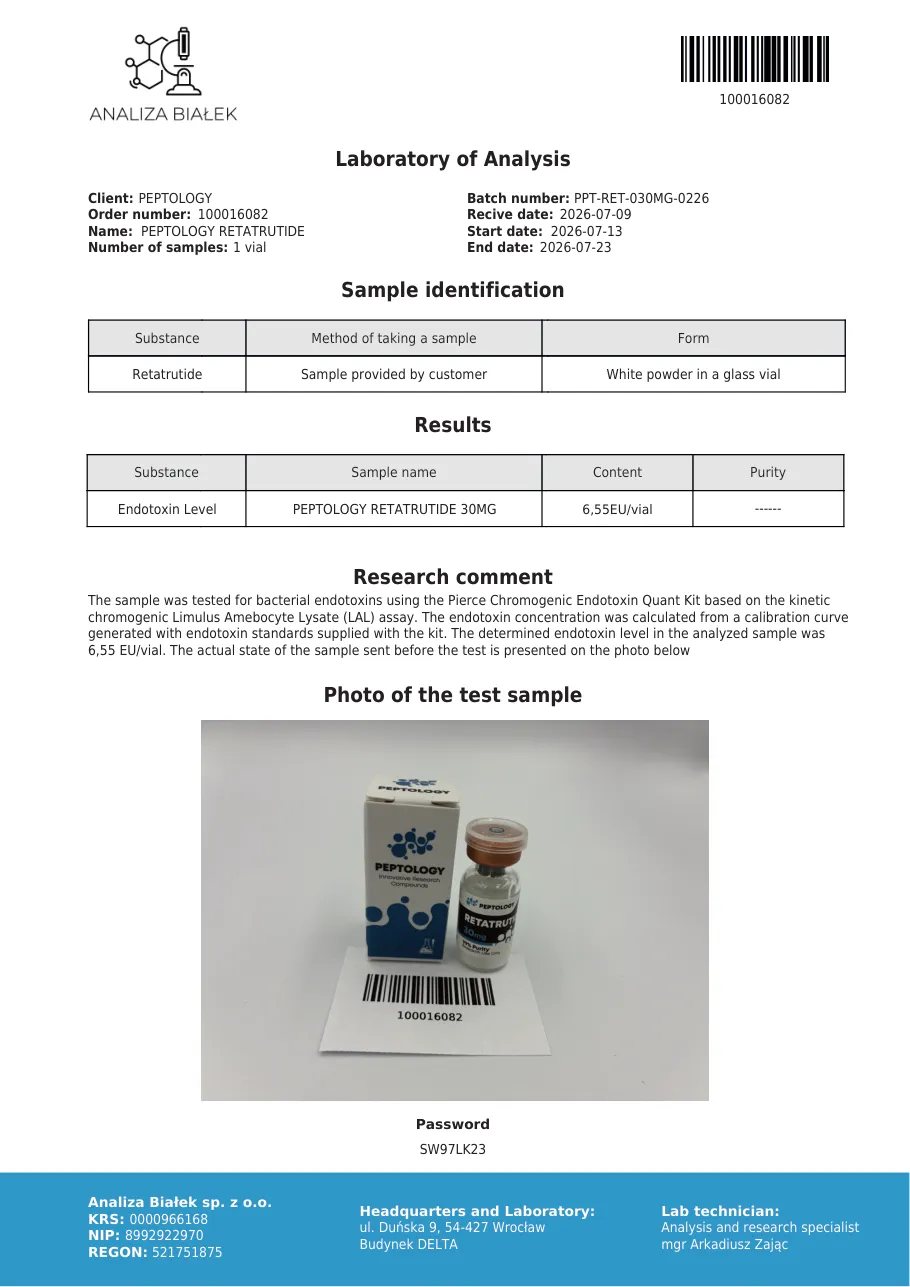
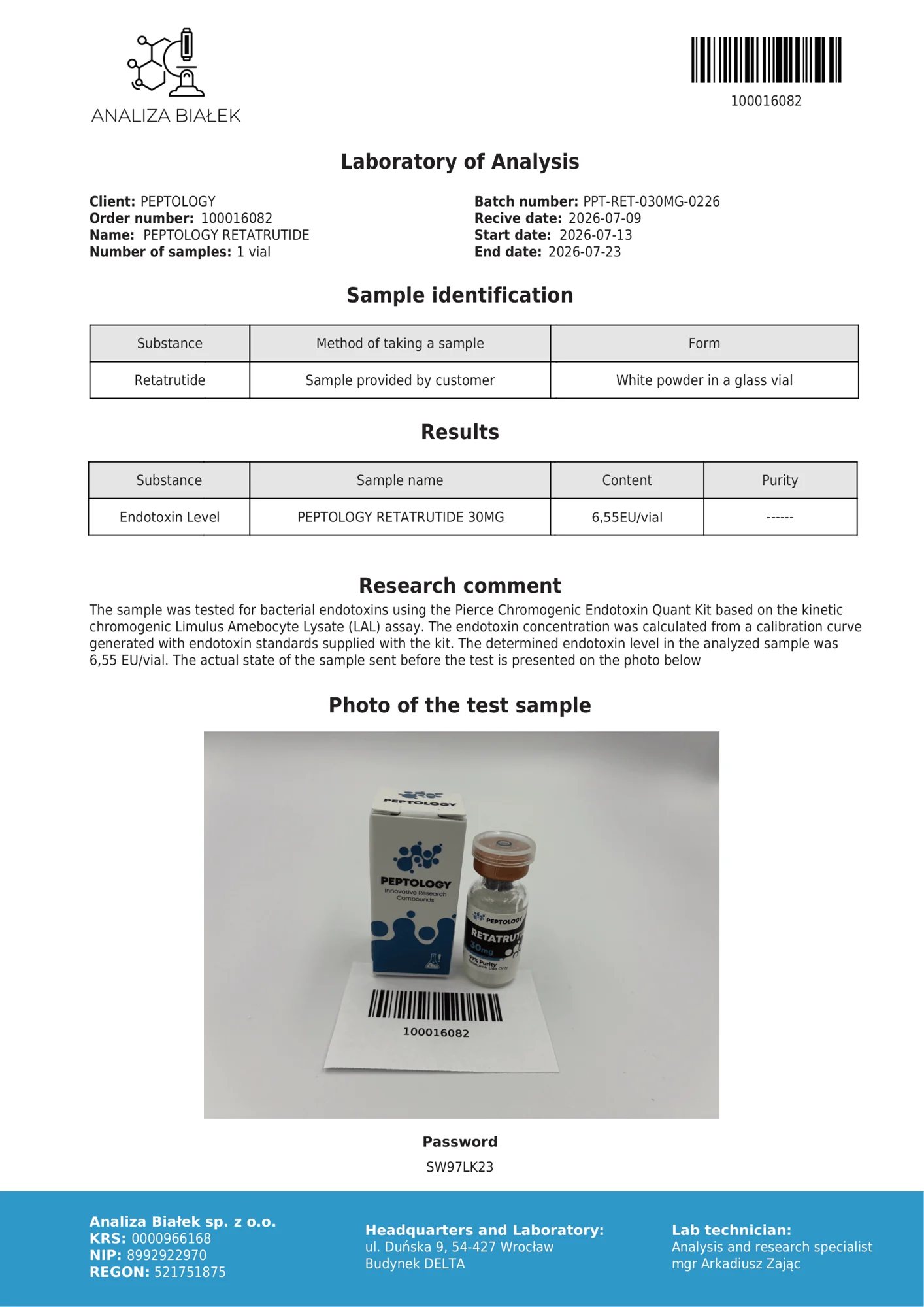
Retatrutide - 5mg - Batch - 0226 - Purity & Endotoxins
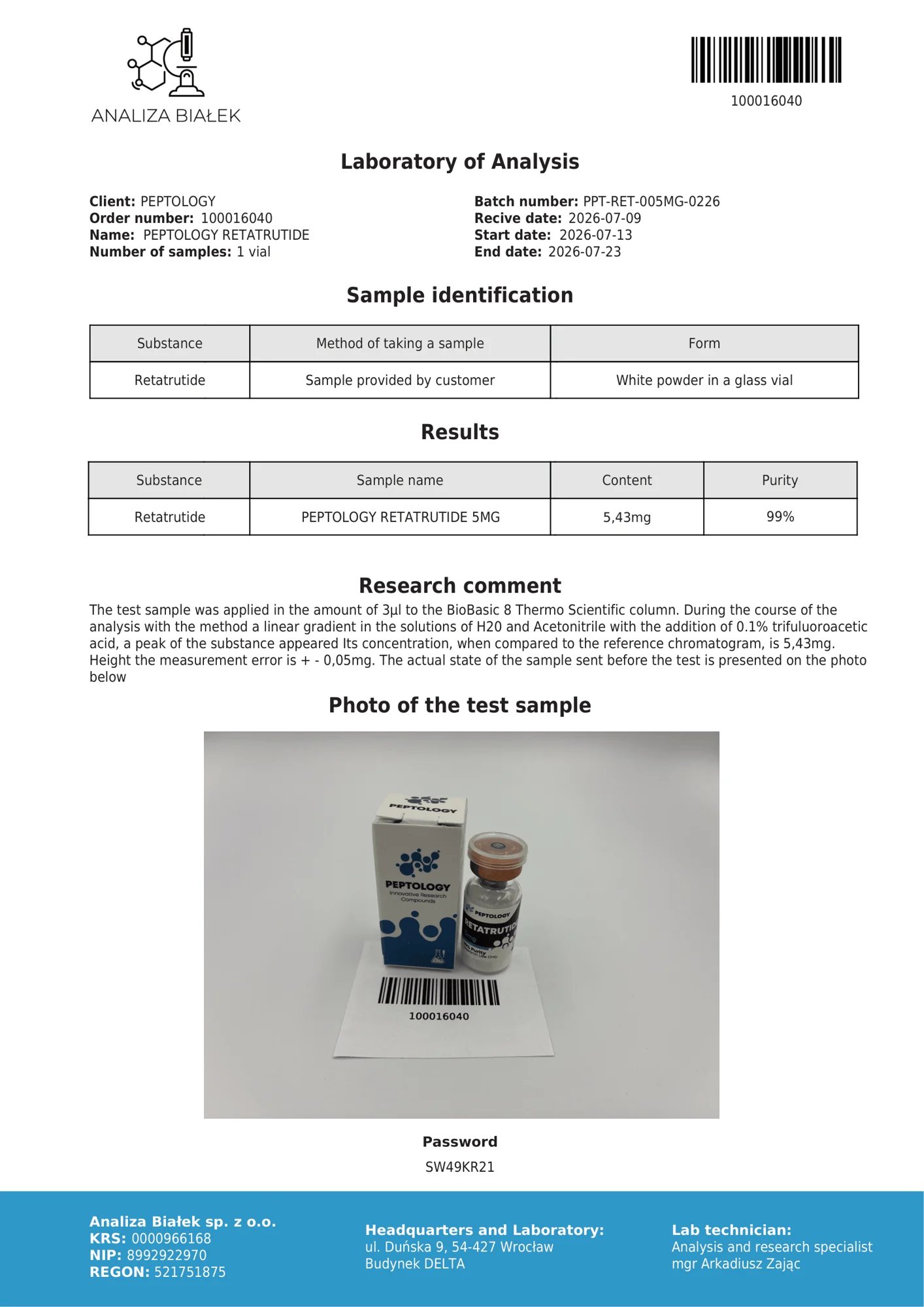
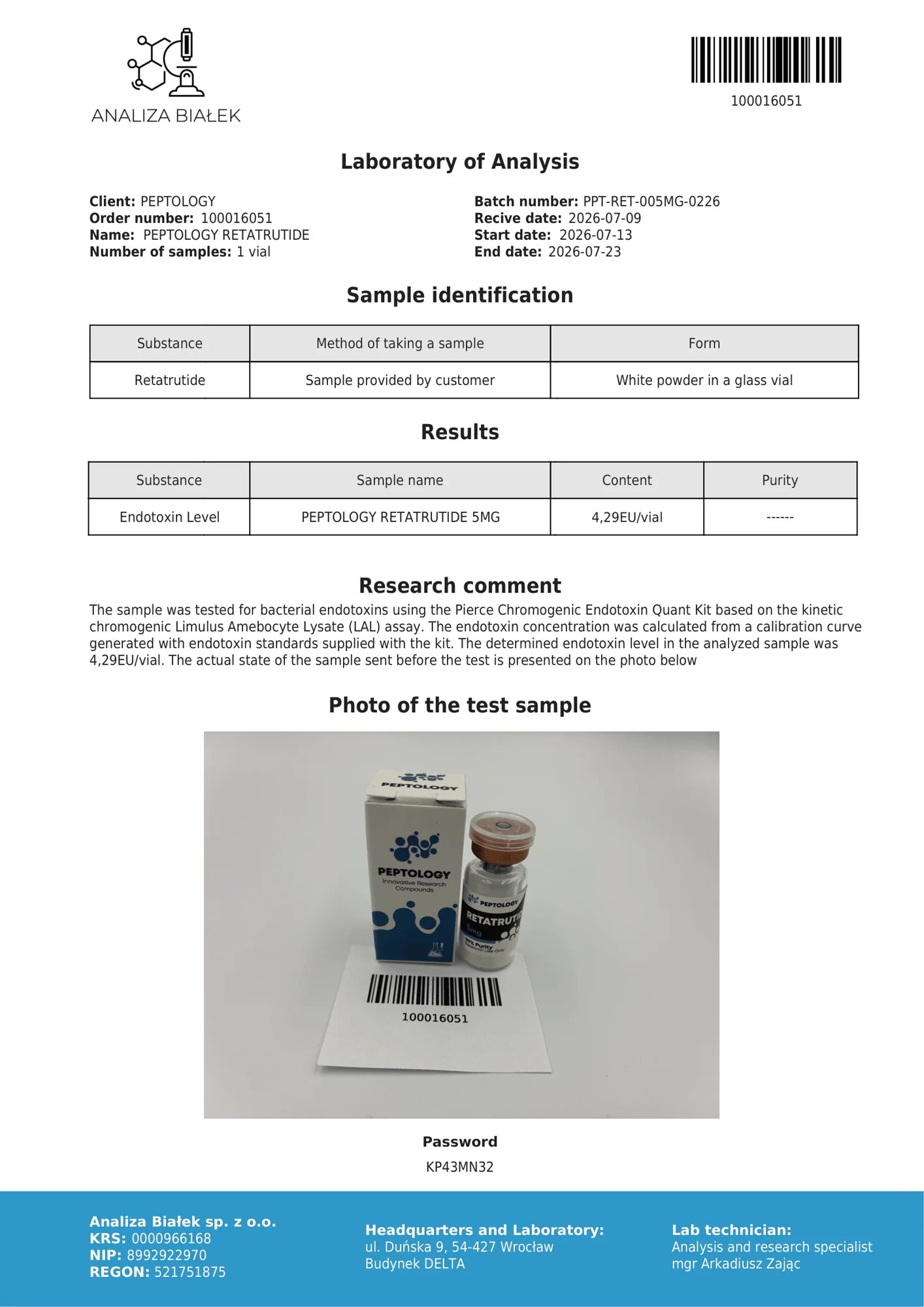
Retatrutide - 10mg - Batch - 0226 - Purity & Endotoxins
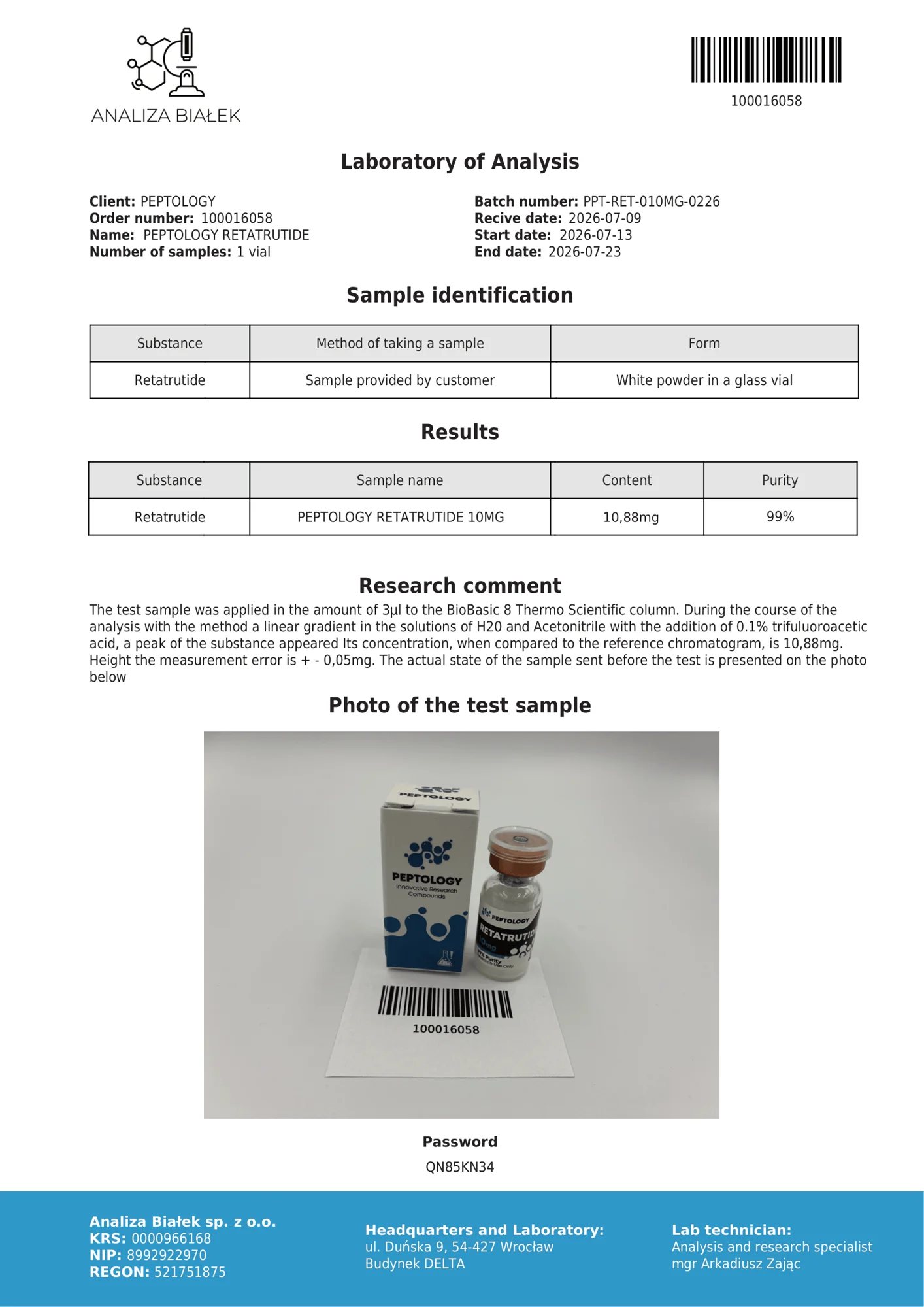
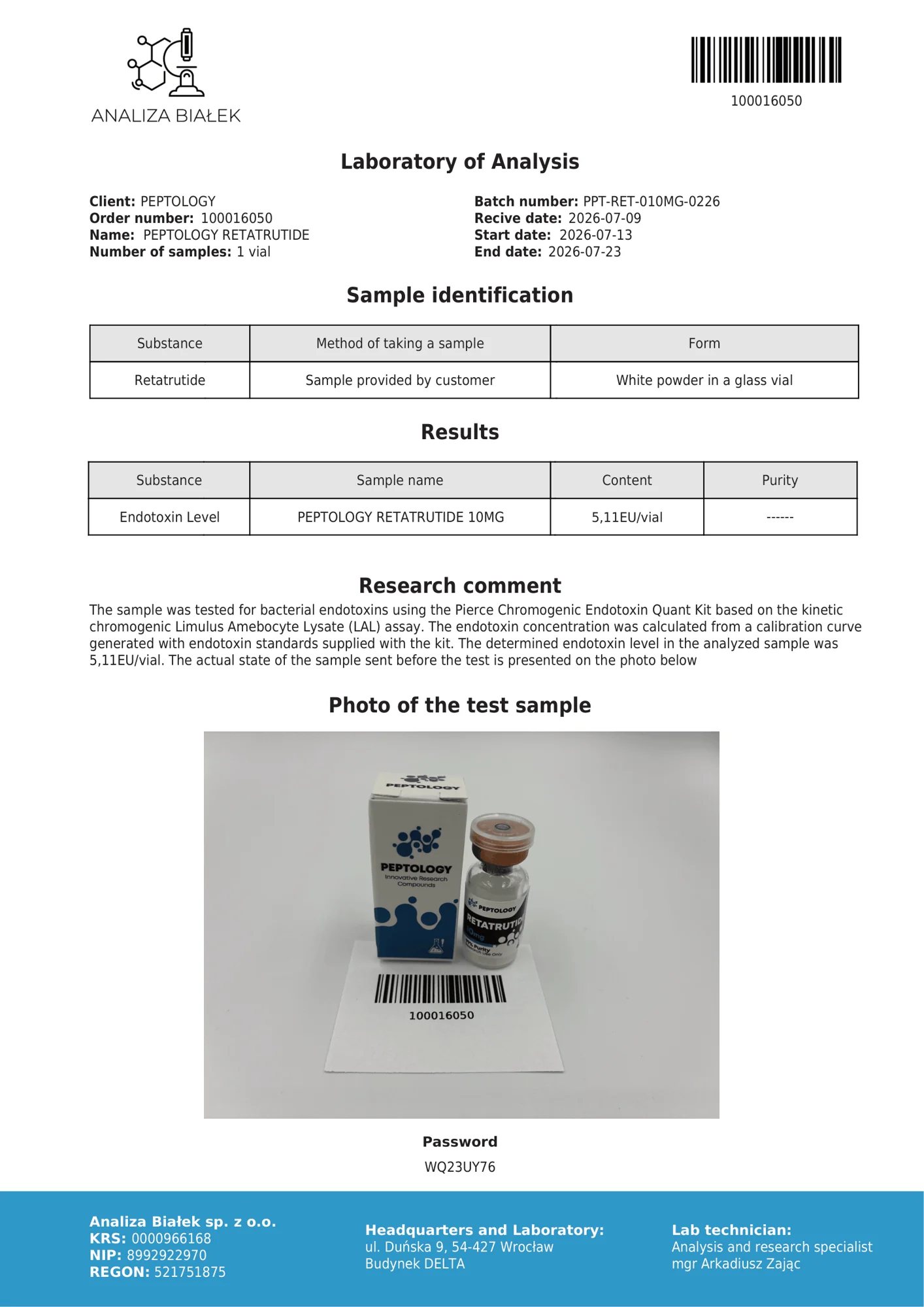
Retatrutide - 15mg - Batch - 0226 - Purity & Endotoxins
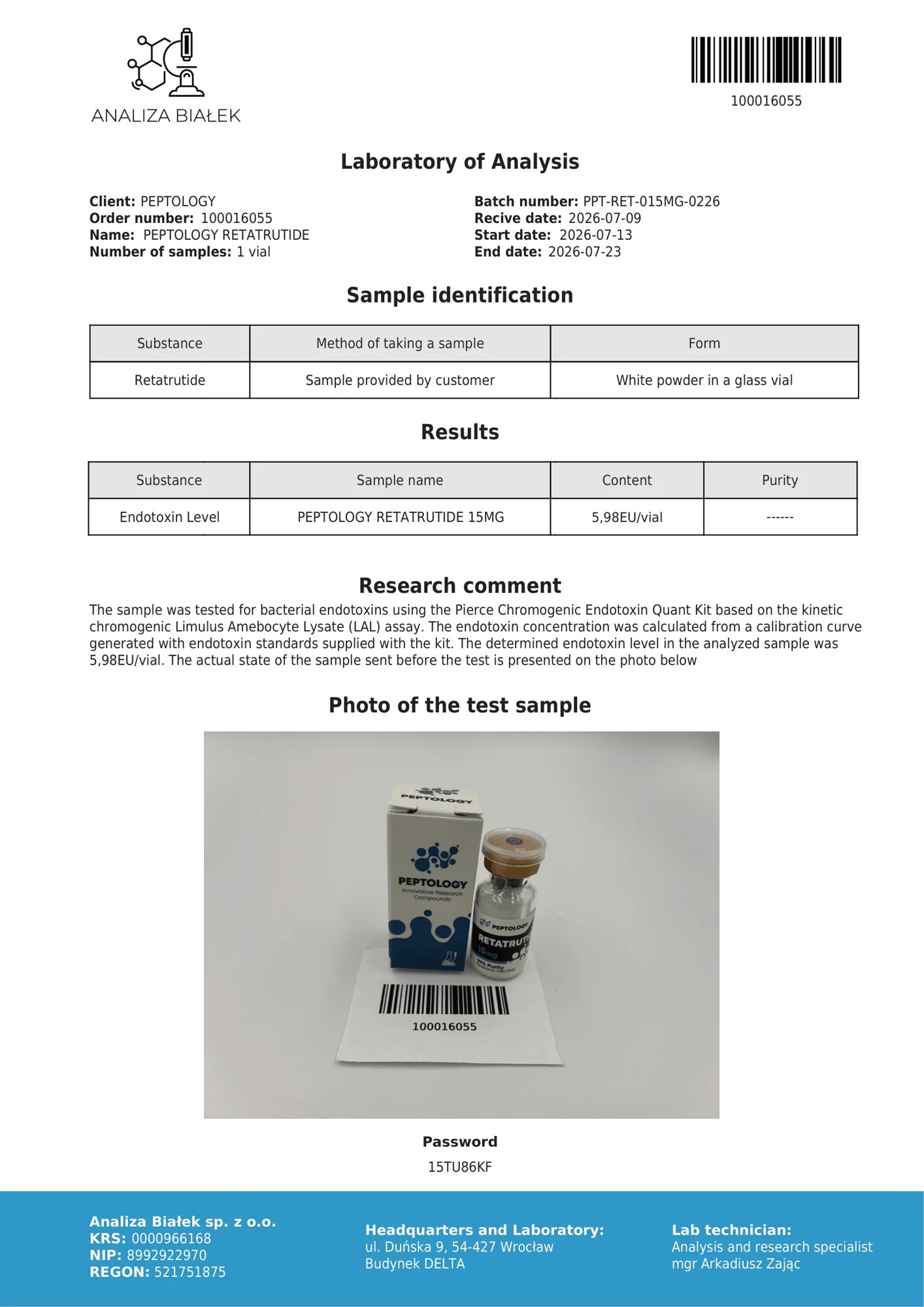
Retatrutide - 30mg - Batch - 0226 - Purity & Endotoxins
Frequently asked questions
Where can I buy Retatrutide in Europe and what does it cost?
You can buy Retatrutide in Europe online from Peptology, from 59,00 €. Delivery with GLS in 3–5 working days. Shipping is free from 50,00 €. Payment by card. Purity 99%+, with an HPLC report for every batch.